
Hiring an Owner's Rep for HOA Construction: 2026 Guide
Updated: 2 days ago
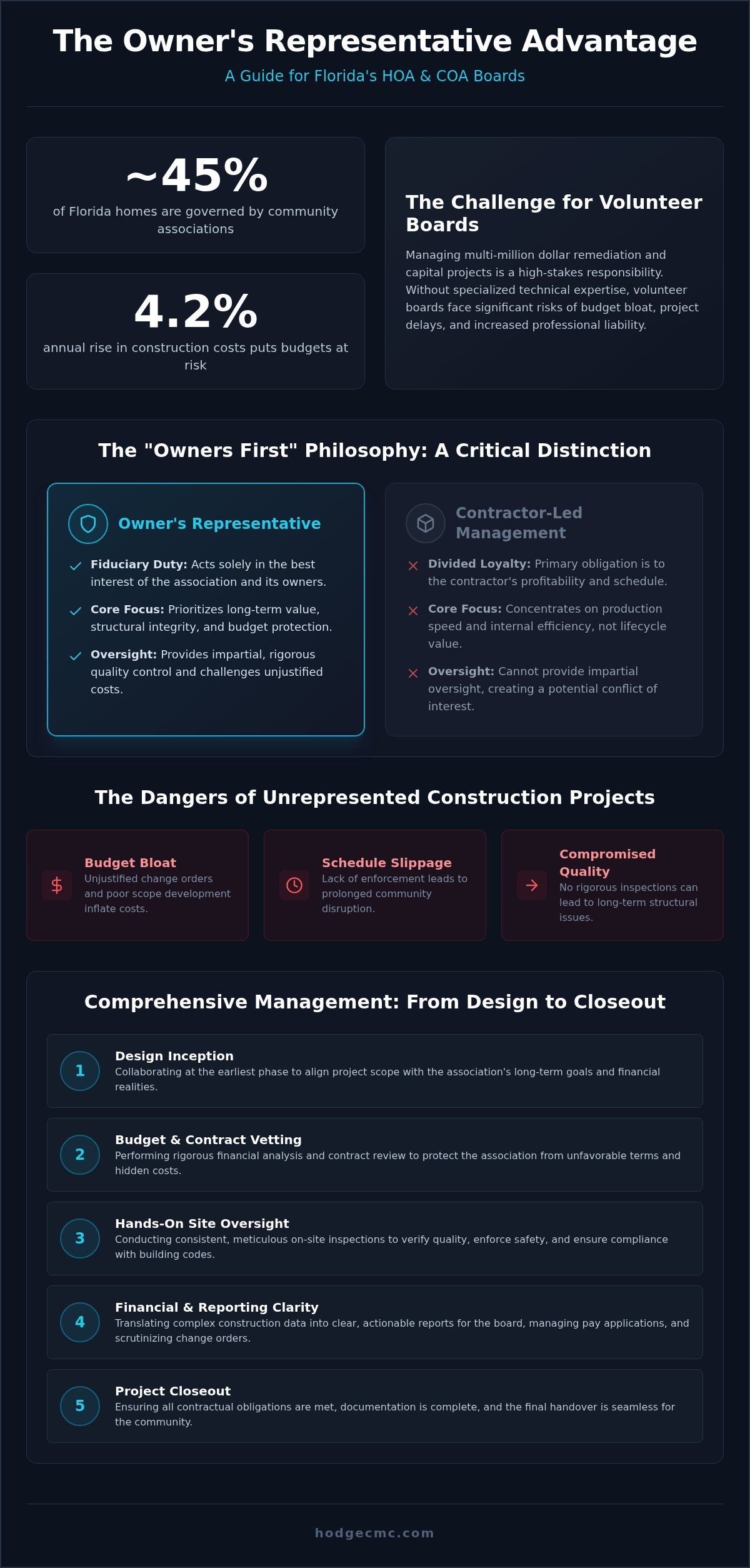
Approximately 45% of homes in Florida are governed by an HOA. With construction costs rising at a rate of 4.2% annually as of July 2026, the financial stakes for volunteer boards have never been higher. Members often find themselves managing multi-million dollar remediation projects or mandatory milestone inspections without the technical expertise required to challenge contractor demands. It's a high-stakes environment where professional liability and budget bloat are constant threats. Hiring an owner's representative for HOA oversight provides the authoritative, technical bridge needed to navigate these complexities with absolute confidence.
We recognize that your primary duty is the protection of the association's assets and the homeowners' long-term investments. This guide explores how a dedicated advocate ensures your interests remain the priority from design inception to final project closeout. You'll learn how the "Owners First" philosophy protects your budget, reduces board member stress, and ensures high-quality construction that complies with the 9th Edition of the Florida Building Code. We will provide a methodical overview of how professional representation mitigates risk and enforces accountability in an increasingly regulated market.
Table of Contents
The Necessity of Professional Representation for Florida HOAs
An Owner's Representative is a professional advocate specifically engaged by an HOA or COA board to safeguard construction interests throughout the project lifecycle. For volunteer boards, the burden of technical oversight is often overwhelming. Managing complex remediation or multi-million dollar capital expenditure projects isn't a part-time responsibility. Hiring an owner's representative for HOA ensures that a seasoned technical expert manages the intricate details that boards lack the time or training to address. Unlike a contractor's internal project manager, whose primary loyalty lies with their employer's profit margins, an independent representative serves solely as a fiduciary for the association. This distinction is critical for maintaining project integrity.
Understanding the HOA and COA Organizational Needs
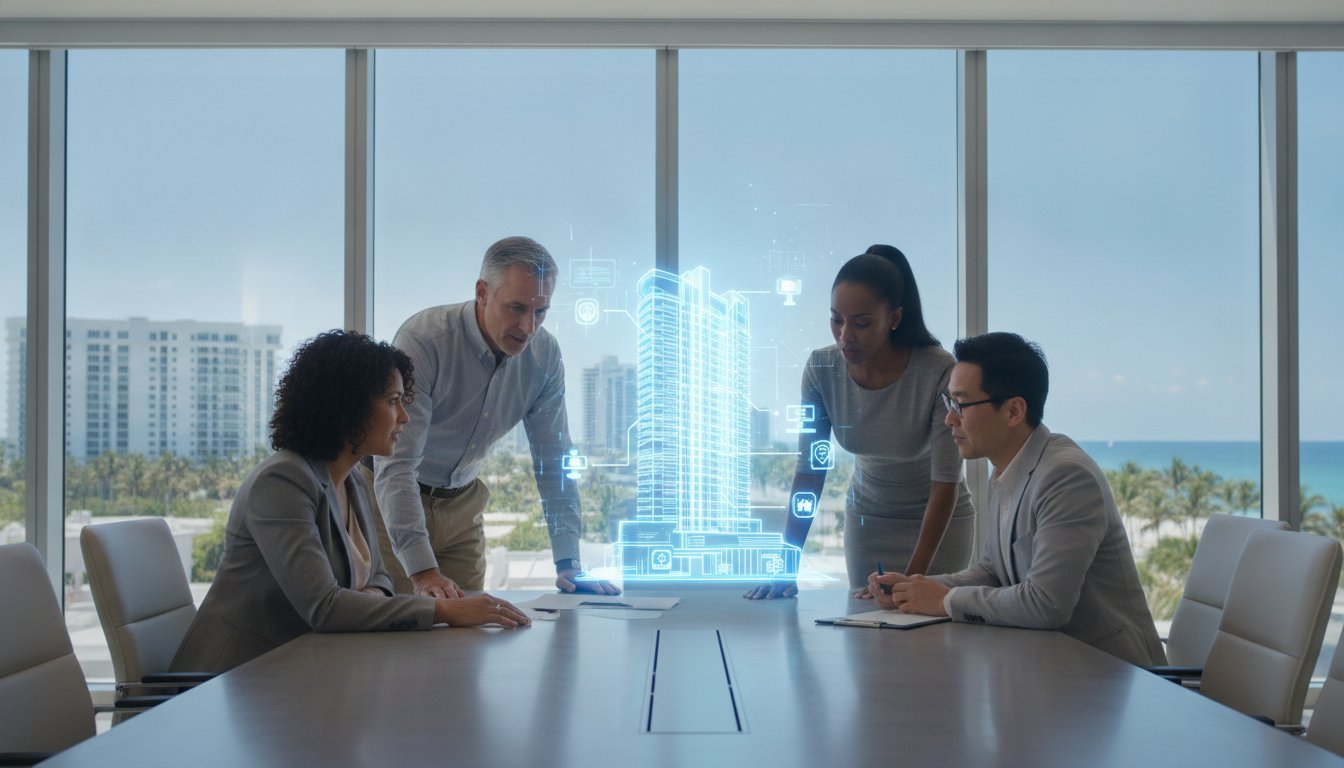
Florida community associations operate under strict transparency requirements and complex board approval processes. A professional representative streamlines these workflows by translating technical construction data into clear, actionable reports for board members and homeowners. They ensure that project planning aligns with the association's specific financial structures, such as reserve funding or special assessments. This requires meticulous project controls to maintain community trust and ensure the board fulfills its fiduciary duties while navigating the high-stakes Florida construction market.
The Risks of Unrepresented Construction Projects
Unmanaged projects frequently suffer from budget bloat and significant schedule slippage. Without professional oversight, contractor change orders can escalate costs without adequate technical justification. The long-term impact of poor quality control extends beyond the construction phase. It creates ongoing maintenance liabilities and can significantly degrade property values. Boards that operate without representation often face increased liability and internal conflict when projects fail to meet expectations.
Inaccurate scope development often leads to expensive unforeseen costs and budget overruns.
Lack of rigorous onsite inspections during critical phases compromises long-term structural integrity.
Failure to enforce strict contract timelines results in prolonged community disruption and increased administrative overhead.
Our approach mitigates these vulnerabilities by establishing a steady, expert hand from the very beginning of the project.
The 'Owners First' Philosophy: Advocacy Beyond Project Management
HCMC operates under the OWNERS FIRST philosophy. This isn't merely a marketing tagline; it's a methodical commitment to the long-term health of the association. While contractors focus on production speed and profit margins, an advocate focuses on lifecycle value and structural integrity. Hiring an owner's representative for HOA transforms the project from a contractor-led initiative into a board-governed success. We ensure that every architect, engineer, and subcontractor remains strictly aligned with the board’s specific financial and quality mandates. Proactive management replaces passive oversight, preventing small issues from evolving into expensive remediation failures.
Owner's Rep vs. Construction Manager: A Critical Distinction
A Construction Manager often serves the general contractor or operates as a neutral project coordinator. Their contractual obligations don't always mandate the protection of the association’s specific financial interests. A contractor-led manager cannot provide impartial quality oversight because their primary loyalty is often tied to the firm's internal efficiency. Conversely, an owner's representative acts as an extension of the board. We provide the rigorous financial and technical scrutiny required to challenge unjustified change orders and ensure the project adheres to the approved scope.
HCMC’s Hands-On Management Style
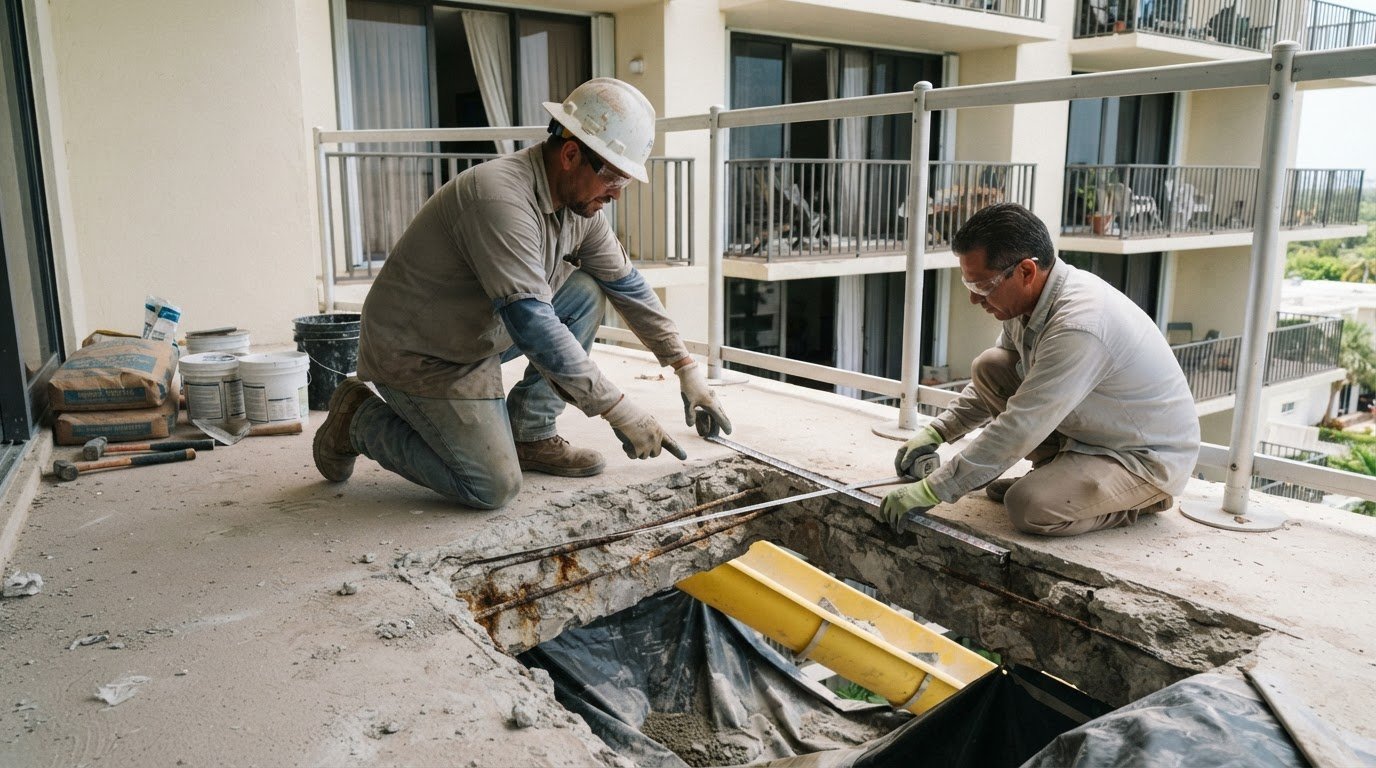
Effective representation requires a consistent on-site presence and exhaustive documentation. We don't rely on self-reported data from the job site. Instead, we perform meticulous physical inspections to verify that work meets the high standards established during the design phase. This hands-on methodology maintains a direct, unfiltered line of communication between the construction site and the board room. Boards seeking this level of strategic foresight often find that construction management owner's representation is the most reliable way to eliminate project uncertainty and secure the community's future.
The Comprehensive Management Lifecycle: Design to Closeout
Success is determined long before construction begins. Hiring an owner's representative for HOA ensures that the association’s interests are protected from the earliest design inception. This lifecycle approach is critical for Florida boards navigating the mandatory Structural Integrity Reserve Studies (SIRS) and the resulting high-stakes remediation requirements. We provide the technical oversight necessary to transform complex engineering requirements into a structured, manageable project plan.
Phase 1: Design Inception and Pre-Construction
Expert guidance during architect selection and constructability reviews prevents downstream failures. We establish realistic budgets that incorporate Florida-specific environmental factors, such as the 160 mph impact-resistant envelope requirements. Strategic scope development also accounts for the July 2026 update to Section 720.3035, Florida Statutes, which prohibits HOAs from requiring government-issued permits as a prerequisite for architectural review committee approval. This nuance accelerates pre-construction timelines while maintaining rigorous association standards.
Phase 2: Construction Oversight and Risk Mitigation
Executing remediation in occupied condo buildings requires specialized project controls to prevent cost overruns. We monitor contractor compliance with ASCE 7-22 wind load standards to ensure the structural integrity of the project. Our on-site presence mitigates the risk of unauthorized change orders and schedule slippage. We act as the steady hand that enforces technical accountability while minimizing the daily disruption faced by residents.
The final closeout involves securing all warranties and ensuring final inspections meet the 9th Edition of the Florida Building Code standards. We meticulously organize all documentation to protect the association from future liability. Secure your community association's interests today by engaging our expert project planning services to manage your upcoming remediation lifecycle. This methodical oversight ensures the project is not merely finished, but successfully delivered according to the board’s mandates.
Selecting the Right Owner's Representative for Your Florida Community
Selecting a representative requires more than a review of past projects. It demands a partner who understands the nuances of Florida’s unique regulatory and climate environment. Hiring an owner's representative for HOA oversight is a strategic decision that affects the association's financial health for decades. Boards must prioritize candidates who demonstrate deep familiarity with the 9th Edition of the Florida Building Code and the specific wind load calculations required by ASCE 7-22. This expertise isn't optional; it's a fundamental requirement for protecting property values in 2026.
Essential Questions for Potential Representatives
A rigorous vetting process begins with targeted inquiries. Boards should ask about a representative's experience with HB 1203 financial transparency mandates and their ability to navigate the July 2026 permit exemption laws. Ask for concrete examples of how their "Owners First" methodology resolved a technical conflict between an engineer and a contractor. A professional advocate must provide a methodical plan for managing the association’s password-protected website requirements alongside construction documentation. If they can't articulate a structured process for risk mitigation, they aren't the right fit for your community.
Securing Your Community’s Future with HCMC
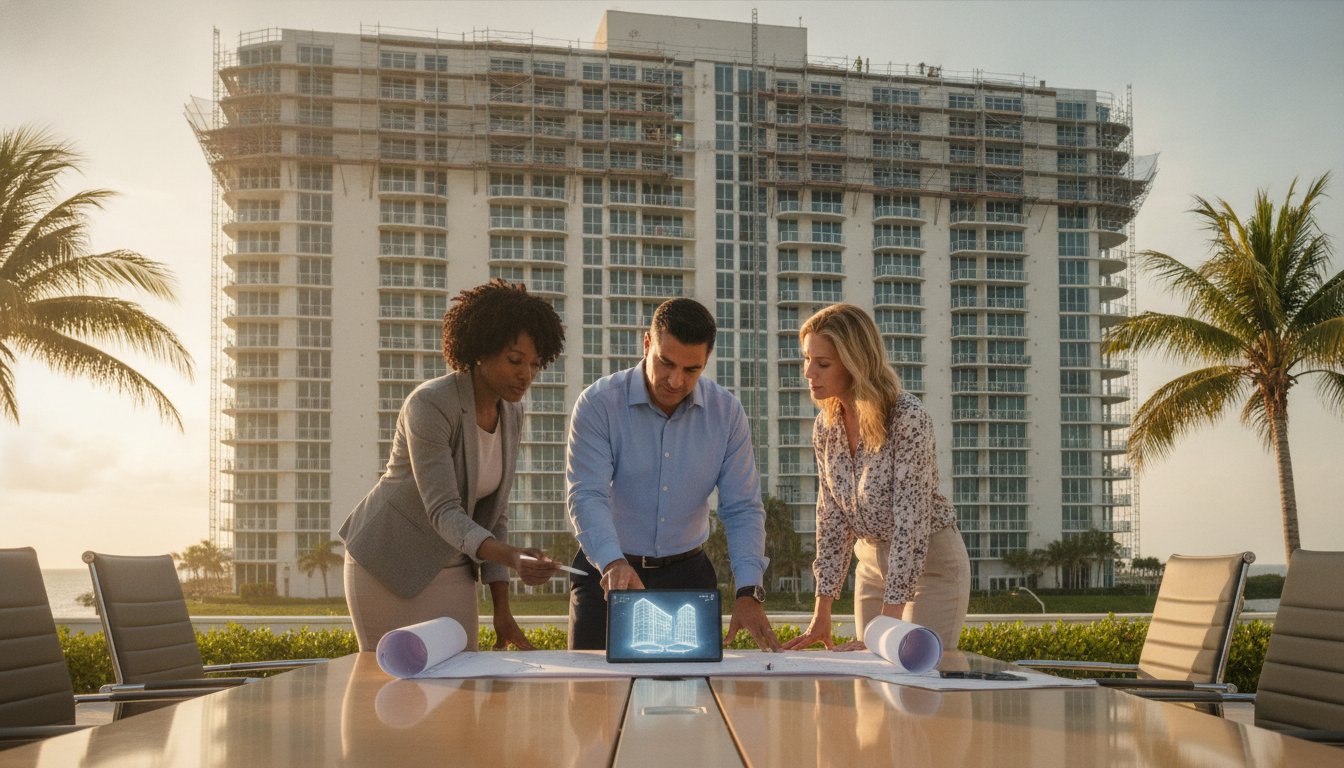
HCMC stands as the authoritative veteran consultant for Florida HOAs and COAs. We provide the strategic foresight needed to manage complex capital improvements without compromising the board's fiduciary integrity. Our role as a dedicated advocate ensures that every dollar spent contributes directly to the long-term resilience of your property. The ROI of our meticulous oversight is reflected in project completion on time and within budget. We invite you to Consult with HCMC on your association's next project to ensure your remediation or CapX goals are met with professional precision.
Safeguarding Your Association's Assets through Expert Representation
The complexity of Florida's 2026 construction environment demands more than just general oversight; it requires a methodical commitment to the association's long-term viability. By prioritizing technical accountability and fiduciary protection, boards can navigate high-stakes remediation projects without the typical risks of budget bloat or schedule slippage. We've explored how hiring an owner's representative for HOA provides the authoritative bridge between volunteer boards and technical contractors. This expert representation ensures that the OWNERS FIRST philosophy remains the central tenet of every decision made from design inception to the final project closeout.
HCMC offers veteran-led construction consulting and specialized expertise in full lifecycle management. Our role as your dedicated advocate ensures that your community association’s interests are never compromised by contractor-led convenience. Take the necessary steps to protect your property values and reduce administrative stress today. Partner with Florida's premier Owner's Representative for your next HOA project to secure a successful outcome for your community. Your association deserves the reliability and strategic foresight that only a seasoned industry veteran can provide.
Frequently Asked Questions
What is the primary difference between an owner's rep and a project manager?
The primary distinction lies in the direction of advocacy and contractual loyalty. While a project manager often operates as a neutral coordinator or an employee of the general contractor, an owner's representative serves exclusively as a fiduciary for the board. This professional advocate provides the technical scrutiny necessary to challenge contractor assumptions. They ensure that every decision prioritizes the association’s long-term financial health rather than the contractor's internal production efficiency.
When is the best time for an HOA to hire an owner's representative?
The most effective time for hiring an owner's representative for HOA oversight is during the design inception phase. Engaging an expert before finalizing architectural plans or soliciting contractor bids allows for rigorous constructability reviews and budget validation. This early intervention prevents expensive scope gaps and ensures that project planning accounts for Florida's 2026 regulatory requirements. Proactive engagement at the start of the lifecycle establishes a foundation for technical and financial accountability.
How does an owner's representative help control construction costs for a condo board?
Cost control is achieved through rigorous project controls and the elimination of unjustified change orders. An owner's representative scrutinizes every invoice and technical claim to ensure the work aligns with the contracted scope. They also manage the competitive bidding process to secure fair market pricing. By providing meticulous financial oversight, they prevent the budget bloat common in complex remediation projects, ultimately protecting the association's reserve funds from unnecessary depletion.
Can an owner's representative help with Florida-specific remediation projects?
Expert representatives are essential for navigating Florida’s specific remediation mandates, including mandatory milestone structural inspections and Structural Integrity Reserve Studies. They manage the technical complexities of hurricane hardening and compliance with the 9th Edition of the Florida Building Code. Their expertise ensures that remediation work meets the 160 mph impact-resistant envelope standards. This specialized knowledge is vital for associations managing multi-story R-1 and R-2 occupancies within coastal high-wind zones.
What should a board look for when vetting a construction management consultant?
Boards should prioritize consultants with documented experience in Florida’s unique regulatory environment and community association law. Verify their familiarity with HB 1203 transparency requirements and their history of managing occupied building remediations. It's critical to inquire about their specific "Owners First" methodology and request evidence of past project closeouts. A qualified consultant must demonstrate an authoritative, methodical approach to risk mitigation and a steadfast commitment to the board's interests.
Comments