
Pre-Development Guide for Florida Community Associations
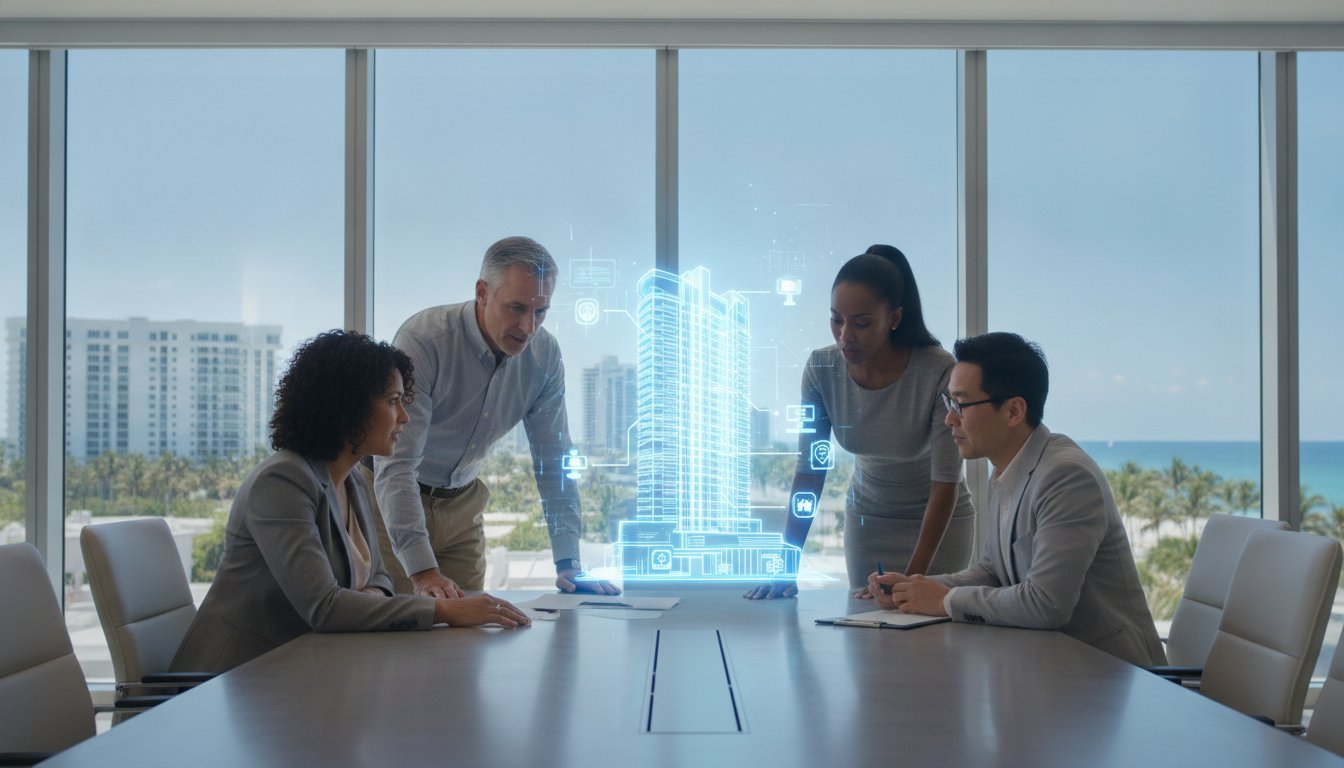
In the high-stakes environment of Florida condominium construction, the pre-development phase represents the only window where an association maintains absolute control over project risk and financial exposure. Many boards approach large-scale remediation with a justified sense of trepidation, fearing that the strict 2026 Milestone Inspection deadlines and Structural Integrity Reserve Study requirements will trigger unmanageable special assessments or contractor-driven cost overruns. It's a common concern that without a seasoned advocate, the association's interests will be sidelined by the agendas of outside vendors. Utilizing professional commercial construction pre-development services allows your board to move from a position of uncertainty to one of strategic command.
We understand that your primary responsibility is the protection of the owners' capital and the long-term viability of the property. This guide demonstrates how meticulous planning and a dedicated "Owners First" advocacy model serve as the foundation for project success. You will discover a comprehensive roadmap that spans from initial design inception to final project closeout. We provide the technical framework and financial predictability required to navigate Florida's complex regulatory environment while ensuring that every decision serves the best interests of your community members.
Table of Contents
What Are Commercial Construction Pre-Development Services for Associations?
Commercial construction pre-development services represent the strategic phase where project scope, budget, and feasibility are established before physical work begins. For Florida community associations, this isn't merely a preliminary checklist; it's a critical period of risk mitigation. Our "Owners First" philosophy serves as the foundation of this process, ensuring that every decision prioritizes the financial and structural interests of the owners rather than the profit margins of contractors. While traditional developers use pre-development to assess land acquisition, associations utilize this phase to protect existing capital and eliminate the "unknowns" that frequently lead to devastating special assessments or litigation.
A primary objective of this phase is to establish a clear, defensible roadmap. By identifying potential structural issues or regulatory hurdles early, boards can secure financial predictability for their reserves. This proactive management prevents the reactive decision-making that often occurs when a contractor discovers unforeseen conditions mid-project. Effective commercial construction pre-development services provide a layer of professional insulation between the association and the inherent volatility of the construction industry.
The Lifecycle from Design Inception to Closeout
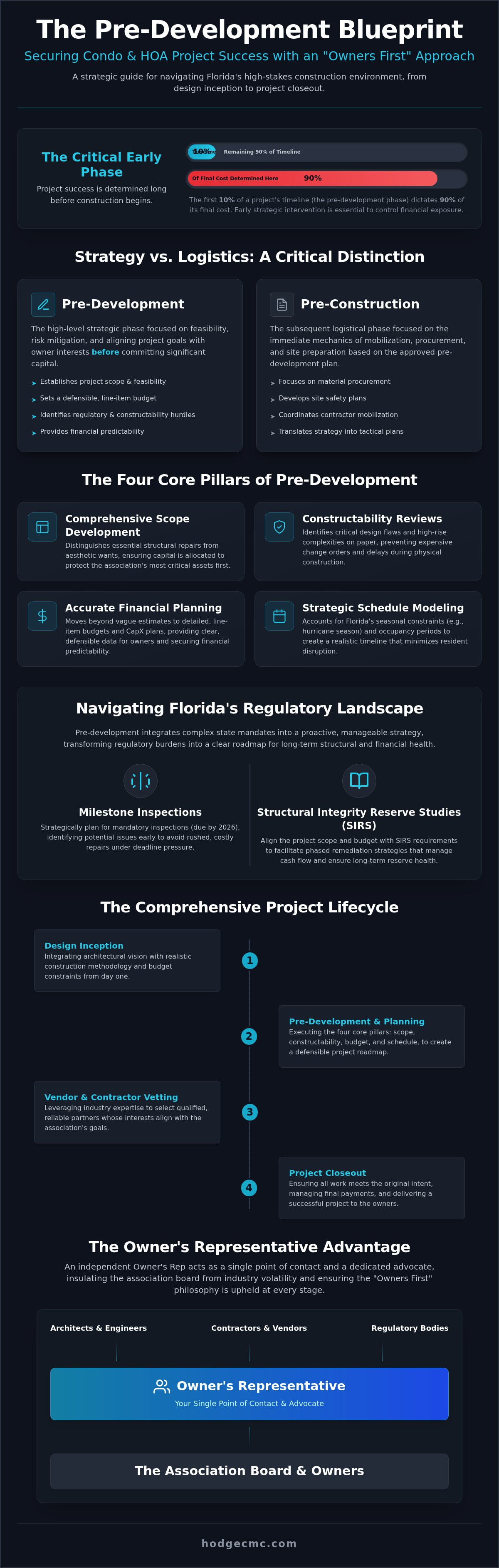
The first 10% of a project's timeline typically dictates 90% of its final cost. This reality makes early intervention essential. By integrating architectural vision with realistic construction methodology at the very beginning, boards can avoid the "design-bid-build" trap where plans are created without a clear understanding of field conditions or budget constraints. HCMC manages this comprehensive lifecycle from design inception through project closeout, acting as a steady hand that ensures the original intent of the remediation is maintained without compromising fiscal responsibility.
Pre-Development vs. Pre-Construction
It's vital to distinguish between strategy and logistics. Pre-construction services often focus on the immediate mechanics of mobilization, such as site safety plans and material procurement. In contrast, pre-development is an earlier, higher-level phase centered on feasibility and strategic alignment. HCMC’s oversight bridges the gap between these two critical stages. We ensure that the broad strategic goals established during pre-development are translated accurately into the tactical plans of the pre-construction phase. This methodical approach provides boards with a clear roadmap, transforming uncertainty into a controlled, predictable process.
Core Pillars of Pre-Development for Condo and HOA Projects
Effective commercial construction pre-development services rely on four critical pillars that transform a conceptual remediation project into a controlled execution. First, comprehensive scope development distinguishes essential structural repairs from aesthetic improvements. This ensures that capital is allocated where it is most needed. In a high-rise environment, constructability reviews are equally vital; they identify design flaws that would otherwise lead to expensive change orders once scaffolding is erected. Identifying these issues on paper is far less costly than discovering them during the construction phase.
Accurate financial planning requires moving beyond vague estimates to detailed, line-item budgets. This precision allows Boards to present clear, defensible data to owners, reducing the friction often associated with major capital projects. Schedule modeling then accounts for Florida’s specific seasonal constraints, such as hurricane season or peak occupancy periods, to minimize resident disruption. A well-sequenced schedule is the difference between a project that flows smoothly and one that creates perpetual conflict with the community.
Financial Accountability and CapX Planning
Boards must align project scope with the Structural Integrity Reserve Study (SIRS) mandated by the Florida Statutes. By integrating these requirements into the pre-development phase, we facilitate phased remediation strategies that manage association cash flow without compromising safety. This methodical approach ensures that every dollar spent is a strategic investment in the property’s longevity. It prevents the financial exhaustion that occurs when projects are managed in a reactive, piecemeal fashion.
Risk Identification and Mitigation
Identifying hidden structural deficiencies before hiring a General Contractor is a hallmark of our "Owners First" approach. Independent building consultants provide an unbiased assessment of the building's envelope and mechanical systems, shielding the association from liability. This layer of protection is non-negotiable for high-stakes remediation. If your board is preparing for a major capital expenditure, engaging in professional Project Planning Services ensures these risks are mitigated before contracts are signed.
Navigating Florida’s Regulatory and Constructability Landscape
Florida's regulatory framework for community associations is currently undergoing its most significant transformation in decades. Compliance with Florida Statute 718 for condominiums and 720 for homeowners' associations requires a precise understanding of evolving safety mandates and financial disclosure rules. Professional commercial construction pre-development services provide the necessary oversight to ensure that remediation plans align with these legal requirements before permit applications are submitted. Organizations such as the Community Association Leadership Lobby play a vital role in tracking these legislative shifts, which directly impact how boards must prioritize and fund capital projects. Successfully managing the permitting processes of complex South Florida municipalities requires a strategic approach that anticipates local building department requirements and avoids costly administrative delays.
Environmental challenges unique to the region necessitate specialized material specifications during the planning phase. High-rise structures are particularly vulnerable to salt air corrosion, extreme humidity, and wind-driven rain; therefore, pre-development must include a rigorous selection of hurricane-rated materials and advanced protective coatings. This technical foresight prevents premature material failure and extends the functional lifecycle of the remediation. By addressing these regional atmospheric conditions during design inception, associations protect their long-term investment from the aggressive coastal climate.
The Impact of SIRS and Milestone Inspections
The approaching 2026 regulatory deadlines for Structural Integrity Reserve Studies (SIRS) and Milestone Inspections have shifted pre-development from a best practice to a legal necessity for Florida boards. Associations must now integrate these inspection findings into their long-term remediation strategies to ensure structural safety and avoid non-compliance penalties. HCMC maintains a rigorous protocol to ensure every project remains fully compliant with the most recent Florida safety mandates and statutory reporting requirements.
Vendor Vetting and Selection Strategy
A successful project depends on attracting high-quality contractors through specialized Request for Proposals (RFPs) that define technical expectations with absolute clarity. Independent oversight during the bid leveling process is essential to ensure that boards are comparing proposals on an equal basis rather than accepting low-bid offers that often hide future change orders. If your association needs to align its capital planning with new state requirements, our Construction Consulting services provide the authoritative guidance necessary to secure qualified partners and protect the owners' interests.
The Owner’s Representative: Securing Success from Concept to Completion
The selection of an independent Owner’s Representative is a strategic decision that distinguishes successful remediation from projects plagued by conflict and cost overruns. In a contractor-led pre-development phase, the entity defining the scope often has a direct financial interest in the volume and complexity of the construction work. By contrast, HCMC provides an objective layer of professional oversight, ensuring that the project’s technical requirements are dictated by actual building needs rather than profit incentives. We act as the single point of contact for the Board, managing architects, engineers, and specialized consultants to maintain a unified direction from design inception through project closeout.
This methodical coordination protects the Board of Directors by shifting the burden of technical decision-making to a seasoned expert. Utilizing professional consulting services significantly reduces the personal liability and exposure of individual directors, providing a defensible record of due diligence. This oversight ensures a seamless transition as the project moves from the strategic planning of pre-development into the logistical execution of construction. Our presence acts as a steady hand, guiding the association through high-stakes environments where errors in judgment can lead to long-term financial repercussions.
Meticulous Oversight for Projects of All Sizes
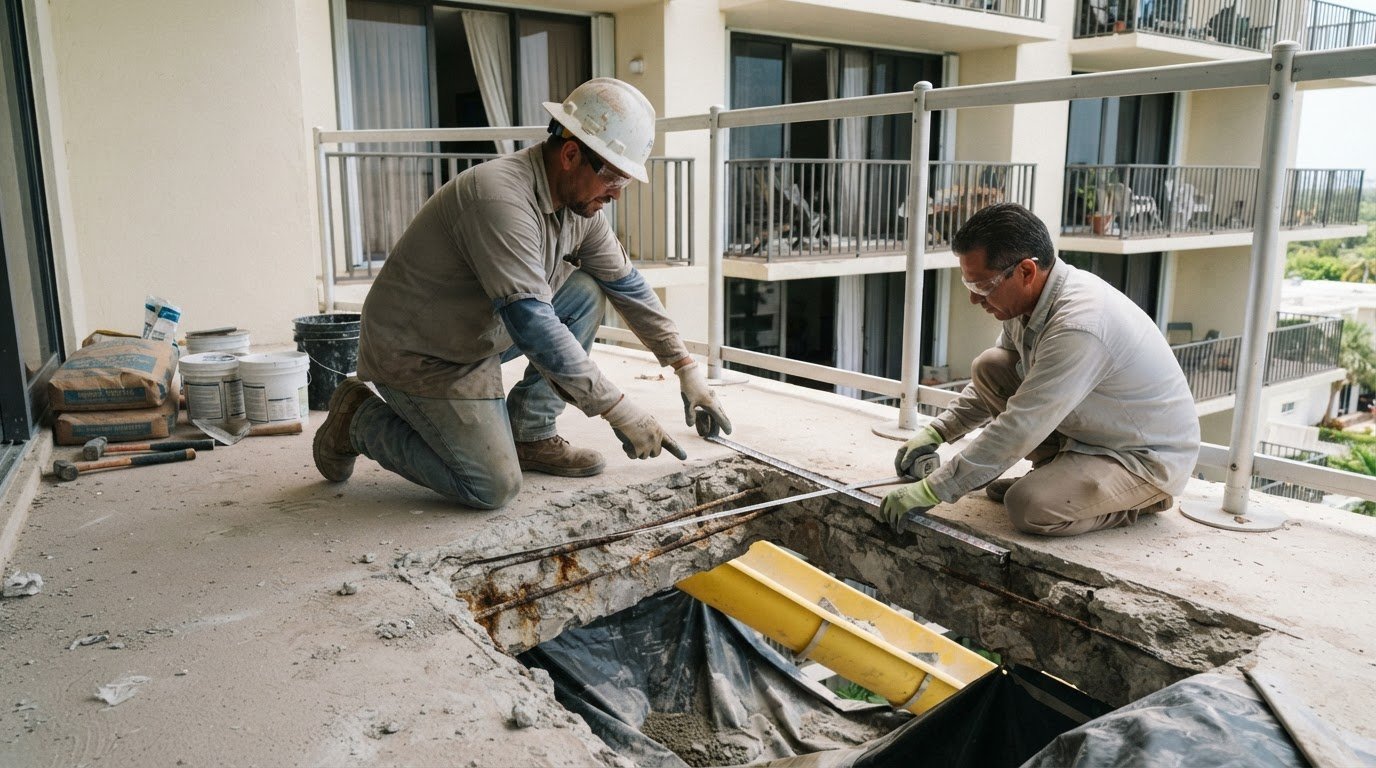
Professional commercial construction pre-development services aren't reserved exclusively for multi-million dollar high-rise remediations. Even minor Capital Expenditure (CapX) projects, such as cooling tower replacements or localized waterproofing, require rigorous front-end planning to avoid the scope creep that routinely exhausts association reserves. For example, thorough pre-development assessments often reveal underlying substrate failures that a standard contractor bid might overlook. Identifying these conditions on paper prevents the mid-project change order crisis that forces Boards to seek emergency funding or reactive special assessments.
Advocacy in Action: The HCMC Difference
Our "Owners First" approach transforms the management of your property from a series of reactive events into a controlled, professional process. We bring a veteran’s perspective to contract negotiations and dispute resolution, ensuring that the association’s legal and financial interests remain the priority during every stakeholder interaction. Ensure your project's success with HCMC's pre-development expertise by securing a dedicated advocate who understands the high stakes of Florida community management and possesses the technical expertise to deliver operational excellence.
Securing Your Association’s Future Through Strategic Planning
Navigating the complexities of Florida’s evolving regulatory landscape requires more than just technical skill; it demands a dedicated advocate who prioritizes the association's fiduciary interests above all else. By implementing comprehensive commercial construction pre-development services, your board transforms a high-stakes remediation project into a predictable, well-managed lifecycle. We've established that the initial planning phase dictates the majority of project costs, making early intervention the most effective way to prevent owner backlash and financial instability.
HCMC brings decades of experience in Florida’s complex construction market to every engagement, ensuring that your community’s capital is protected from design inception through final closeout. Our specialized expertise in HOA and COA fiduciary requirements allows us to act as a steady hand, guiding you through the strict 2026 Milestone Inspection and SIRS deadlines with confidence. You don't have to face these structural and financial challenges alone.
Schedule a Consultation with HCMC’s Owner's Representatives to secure the professional oversight your community deserves. With a methodical approach and an "Owners First" commitment, you can ensure the long-term viability and safety of your property for years to come.
Frequently Asked Questions
Why should our HOA pay for pre-development services before hiring a contractor?
Investing in these services ensures that the project scope and budget are defined by the association's specific needs rather than a contractor's profit goals. This upfront strategic planning eliminates the "unknowns" that typically cause mid-project cost overruns and administrative delays. By establishing a rigorous roadmap during the pre-development phase, boards maintain absolute control over risk and financial exposure before any physical work begins on the property.
How do Florida’s Milestone Inspections affect the pre-development phase?
Milestone Inspections serve as the technical catalyst for the pre-development phase by identifying structural deficiencies that must be addressed to meet 2026 statutory deadlines. These findings are integrated into the remediation plan to ensure full compliance with Florida Statute 718 and 720. Professional commercial construction pre-development services translate these raw inspection data points into a viable, phased construction schedule that aligns with the association's long-term reserve funding strategy.
What is the difference between an architect's role and a construction consultant in pre-development?
An architect focuses on design aesthetics and code-compliant plans, while a construction consultant or Owner’s Representative manages the fiscal and logistical viability of those plans. The consultant conducts constructability reviews to ensure the architect's vision is buildable within the high-rise environment without excessive costs. While the architect provides the vision, the consultant provides the strategic oversight and project controls necessary to protect the association’s capital.
Can pre-development services help our association avoid a special assessment?
Meticulous pre-development planning allows boards to align project costs with existing reserves or secure predictable financing options well in advance. By identifying the full scope of work early, associations can implement phased remediation strategies that spread financial requirements over several years. This proactive approach prevents the emergency funding crises that often result in sudden, unmanageable special assessments for owners during the construction phase.
How long does the pre-development phase typically last for a condo remediation project?
The duration of the pre-development phase typically ranges from three to six months depending on the project’s complexity and the condition of existing building records. This period includes site assessments, scope definition, budget modeling, and the initial permitting strategy for South Florida municipalities. A methodical, structured timeline is essential for ensuring long-term project success and structural integrity; rushing this phase often results in significant delays once construction begins.

Comments