
Florida Owner's Rep Guide for HOA and Condo Boards
With 45% of Florida properties governed by community associations, board members now face the highest regulatory pressure in the nation while construction costs climb by 4.2% annually. Between the looming January 1, 2026, deadline for fully funded reserves and the complex requirements of the Structural Integrity Reserve Study (SIRS), the margin for error has disappeared. You likely feel the weight of these high-stakes decisions and the technical gap between your board's expertise and contractor claims. Understanding how to choose an owner's representative in Florida is no longer just a project management preference. It's a critical step in mitigating personal liability and preventing devastating cost overruns.
We agree that your association deserves a fiduciary-level advocate who prioritizes your interests over those of the contractor or architect. This guide provides the professional criteria and "Owners First" methodology required to select a representative who manages the full lifecycle from design inception to final closeout. You'll discover how a methodical, process-driven approach ensures your remediation or capital expenditure projects are delivered on time while satisfying the stringent safety requirements of Florida's latest legislative mandates.
Table of Contents
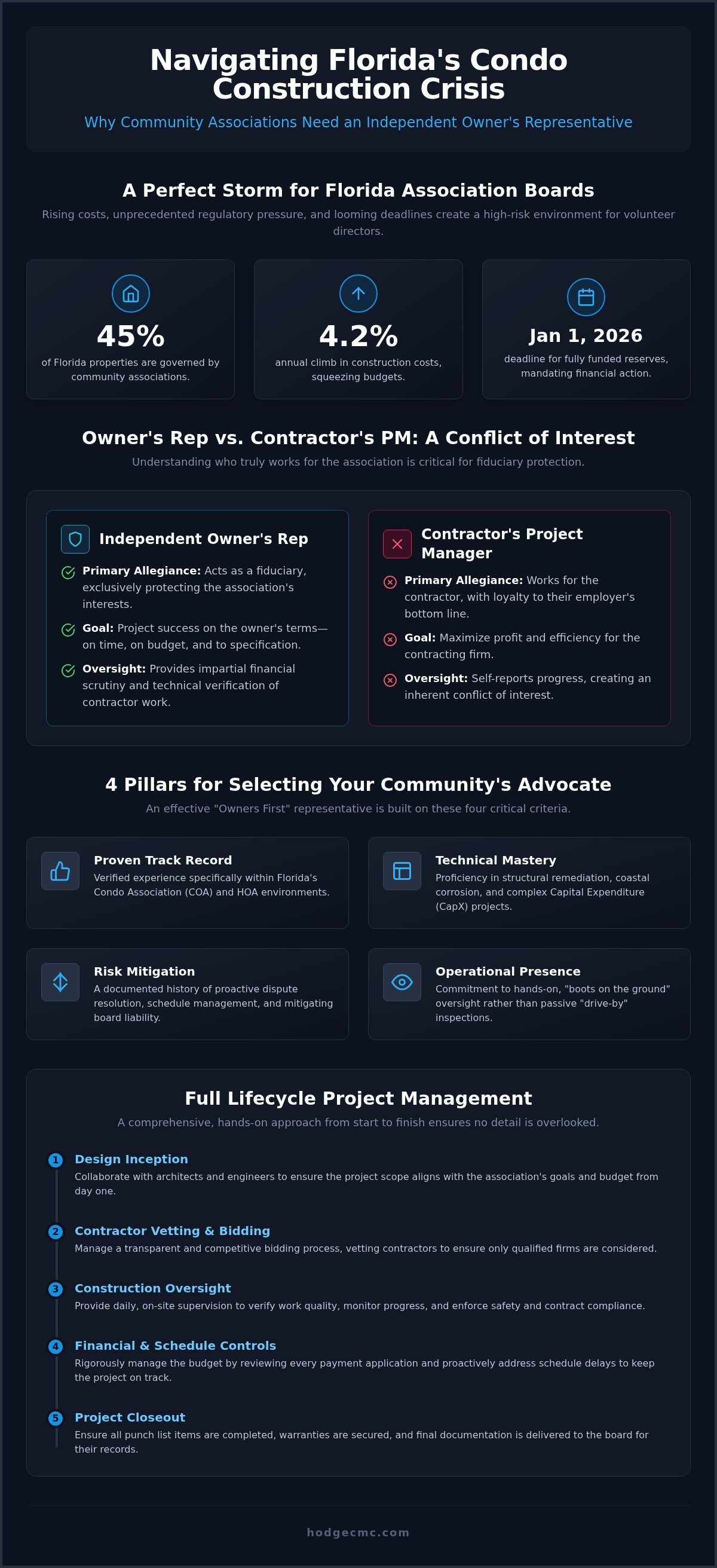
The Role of an Owner’s Representative in Florida’s Regulatory Landscape
The Owner’s Representative serves as a dedicated fiduciary advocate, operating with the singular purpose of protecting the interests of the board and the unit owners. Unlike other project participants, this professional maintains no financial ties to contractors or material suppliers. This independence is essential in a state where coastal corrosion and structural fatigue are constant threats. As associations face the December 31, 2025, deadline for Structural Integrity Reserve Studies (SIRS) and the subsequent requirement for fully funded reserves by January 1, 2026, the complexity of remediation projects has increased significantly. Understanding The Role of an Owner’s Representative is the first step in ensuring these high-stakes projects don't spiral out of control.
When boards evaluate how to choose an owner's representative in Florida, they must look for a methodology that prioritizes the OWNERS FIRST philosophy. This hands-on approach involves professional oversight from the initial design inception through the final project closeout. It establishes a clear line of accountability that doesn't exist when a board relies solely on a general contractor’s self-reporting. Whether managing a small-scale repair or a multi-million dollar restoration, the representative applies the same rigorous standards of advocacy to safeguard the association's assets.
Fulfilling Fiduciary Duties for HOA and Condo Boards
Volunteer directors often lack the technical depth to verify contractor claims or assess complex engineering reports. An Owner's Rep bridges this gap by providing expert project controls that mitigate personal liability for board members. By implementing rigorous financial oversight and technical verification, the representative ensures the board fulfills its legal and ethical obligations to the association. This professional layer of protection is vital for navigating the stringent safety requirements of the 2026 Florida regulatory environment.
Owner's Rep vs. Project Manager: The Conflict of Interest
A common misconception is that a general contractor’s project manager can serve the association’s interests. However, a contractor’s primary goal is profit and efficiency for their own firm. An independent Owner's Rep eliminates this conflict of interest. They provide impartial financial oversight and technical scrutiny that a contractor cannot offer. Knowing how to choose an owner's representative in Florida involves identifying a partner who acts exclusively as your eyes and ears on the job site, ensuring that every dollar spent is verified and justified.
Key Criteria for Choosing Your Community Representative
Selecting a representative requires more than a review of general construction experience. Because the governance of condominiums is strictly defined by Florida’s Regulatory Landscape, your advocate must possess a granular understanding of association law and coastal engineering. Passive reporting is insufficient for high-stakes remediation. Effective representation demands a firm that treats association capital with the same gravity as its own, applying meticulous scrutiny to every line item and contractor claim.
Boards often struggle with how to choose an owner's representative in Florida that truly aligns with their fiduciary duties. The selection process should center on four critical pillars:
Proven Track Record: Verified experience specifically within Florida Condo Association and HOA environments.
Technical Mastery: Demonstrated proficiency in structural remediation and complex Capital Expenditure (CapX) projects.
Risk Mitigation: A documented history of proactive dispute resolution and schedule management.
Operational Presence: A commitment to hands-on oversight rather than "drive-by" inspections.
The 'Owners First' Hands-On Methodology
A proactive, "Owners First" approach is characterized by constant presence and unwavering advocacy. It moves beyond the industry standard of passive observation. Instead, it involves active intervention in daily operations to ensure contractor performance matches the contractual scope. If a contractor proposes a solution that benefits their firm's bottom line over the association’s asset health, your representative must have the expertise to pivot the project. Engaging a firm like HCMC for authoritative project planning ensures this level of dedication remains the baseline for your project.
Technical Proficiency and the Industry Lexicon
Industry veterans don't just manage schedules; they speak the technical language of engineering and construction finance. This proficiency is vital when reviewing complex change orders or verifying material specifications for corrosive coastal environments. A seasoned representative identifies "scope creep" early. They navigate the specialized lexicon of Florida construction to ensure the board isn't misled by technical jargon or inflated claims.
The Full Construction Lifecycle: From Design Inception to Closeout
A construction project's success is solidified long before the first contractor arrives on site. For Florida associations, the management lifecycle must be a continuous chain of professional oversight that begins at design inception and extends through the final closeout. This comprehensive approach ensures that the original project intent is preserved while maintaining strict financial accountability across all phases. Understanding the mechanics of this lifecycle is vital when deciding how to choose an owner's representative in Florida. A veteran advocate doesn't just watch the work; they dictate the standard of execution.
The lifecycle includes several critical milestones that require professional management:
Design Inception and Scope Development: Establishing a clear, technically sound project foundation.
Contractor Vetting and Bidding: Ensuring only qualified firms provide competitive, transparent pricing.
Execution Oversight: Maintaining daily control over scheduling, quality, and budget.
Meticulous Closeout: Verifying all work is complete and all warranties are legally transferred.
Strategic Planning and Early-Stage Advisory
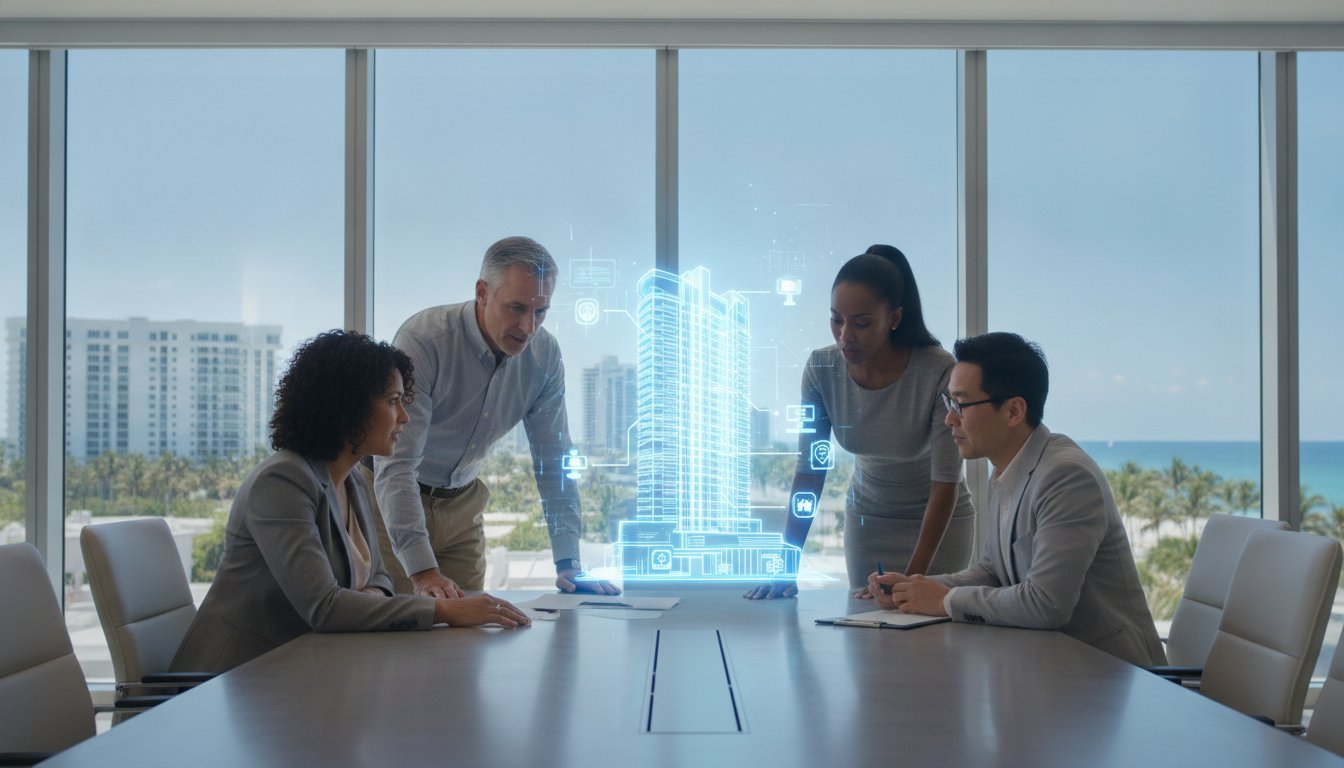
Early-stage advisory is the most effective tool for preventing cost overruns. By conducting rigorous constructability reviews during the design phase, an Owner's Rep identifies potential conflicts before they become expensive change orders. This proactive planning protects the association's long-term budget and ensures the scope of work is realistic and achievable. This level of strategic foresight is a decisive factor in how to choose an owner's representative in Florida who can protect your association's long-term interests.
Execution Oversight and Rigorous Project Controls
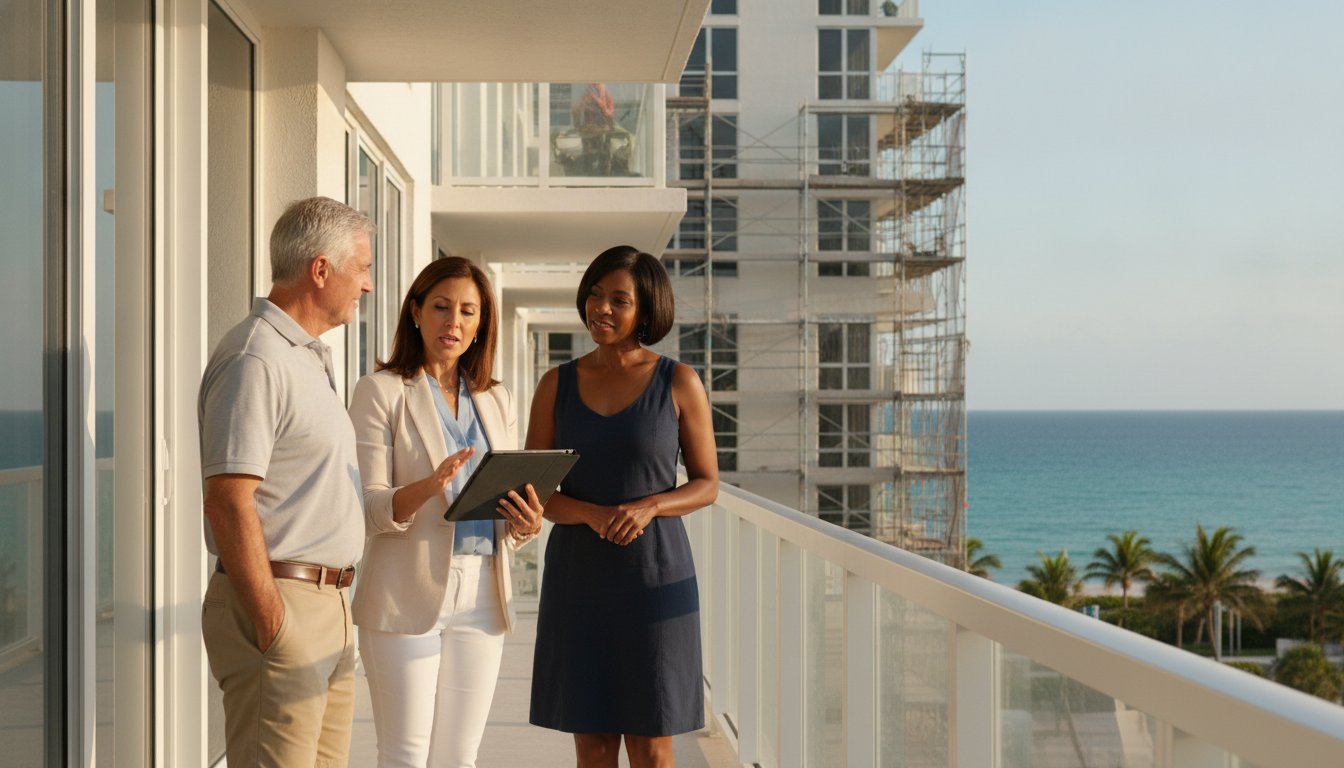
Managing the reality of a Florida construction site requires a constant physical presence, especially when buildings remain occupied during remediation. The representative acts as the steady hand, managing "boots on the ground" activities while balancing the needs of residents. They apply rigorous project controls to ensure contractors meet every deadline and quality benchmark. Secure your association's future by engaging HCMC for professional construction management to guide your next project from inception to its successful conclusion.
Meticulous Project Closeout
Closeout is not a mere formality; it is a critical defensive measure. The representative ensures the meticulous transfer of all warranties, operation manuals, and as-built drawings to the board. Without this final verification, associations risk losing the long-term protections they paid for during the construction phase.
Managing Florida Remediation and Capital Expenditure (CapX) Projects
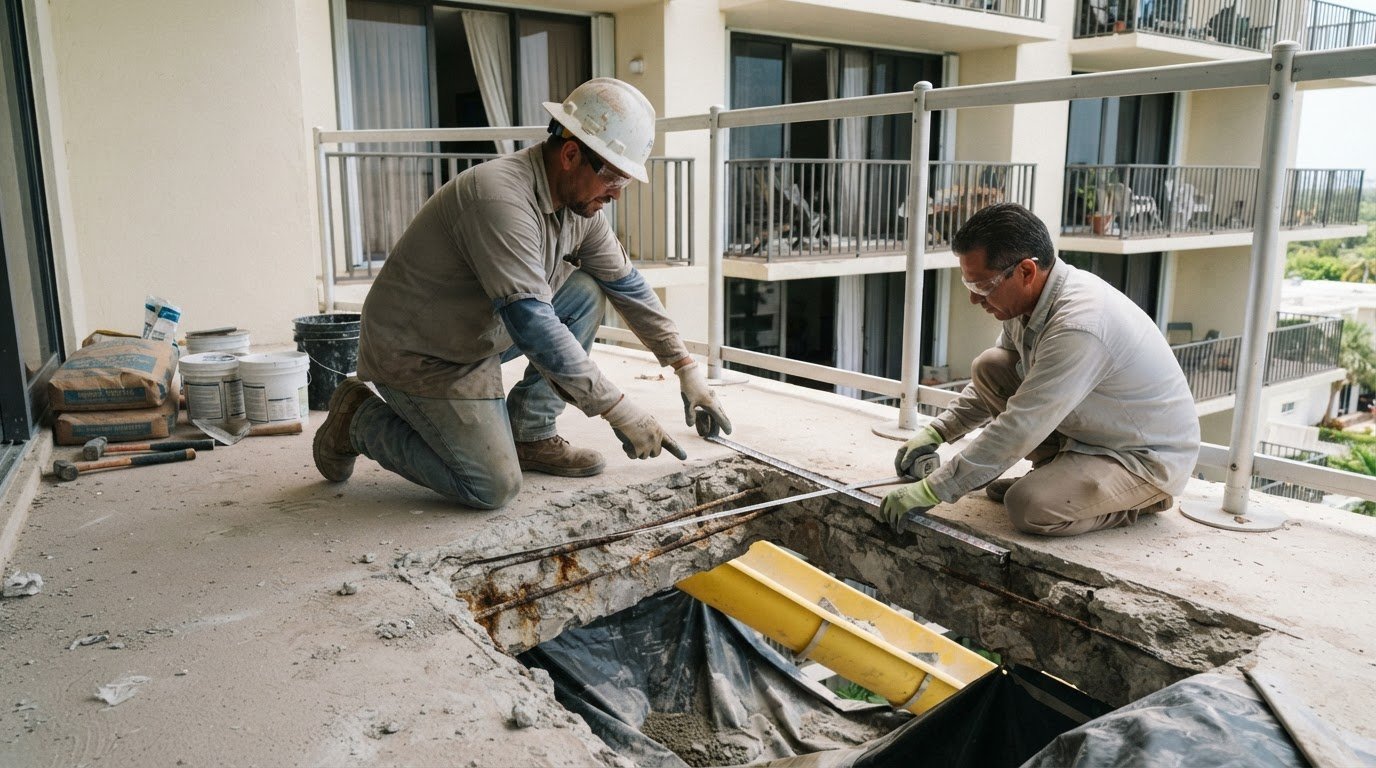
Structural remediation in Florida’s corrosive coastal environment presents technical challenges that standard renovation projects don't encounter. Salt-laden air and high humidity accelerate the degradation of reinforced concrete and roofing systems, necessitating specialized repair protocols. When boards determine how to choose an owner's representative in Florida, they must prioritize candidates who understand the metallurgical and chemical complexities of these environments. Managing a multi-million dollar Capital Expenditure (CapX) project requires more than just scheduling; it demands the preservation of the community's primary physical asset through rigorous technical oversight.
Successful remediation requires the seamless coordination of multiple stakeholders, including structural engineers, specialty contractors, and local building officials. A professional representative acts as the central point of communication, ensuring that engineering specifications are followed precisely while minimizing the disruption to residents' daily lives. This advocacy is particularly critical as associations move from the inspection phase into the heavy construction required by evolving building safety statutes and the looming 2026 deadlines for reserve funding.
Protecting the Association During Structural Repairs
Major concrete restoration or roof replacements often occur while the building remains fully occupied, creating significant logistical hurdles. An Owner’s Rep manages these complexities by enforcing strict safety barriers and clear communication channels with the community. They ensure every phase of the work complies with the stringent Florida building codes and municipality-specific standards. By maintaining a constant presence, the representative prevents contractors from cutting corners in areas where structural integrity is non-negotiable.
The ROI of Professional Advocacy
The financial investment in professional representation is consistently offset by the prevention of change orders, the enforcement of warranty standards, and the avoidance of schedule delays. Meticulous project controls ensure that the association only pays for verified, high-quality work that meets the project's original intent. The Owner's Representative serves as the definitive safeguard for the community’s financial health and physical longevity. For boards seeking a veteran hand to guide their next remediation, engaging HCMC for construction consulting provides the specialized expertise necessary to navigate Florida's challenging construction environment.
Securing the Future of Your Community Association
The 2026 regulatory deadlines and the corrosive environmental factors of the Florida coast leave no room for administrative oversight or contractor-led management. Success requires a fiduciary-level advocate who implements a rigorous "Owners First" methodology from the initial design inception through the final project closeout. By prioritizing technical proficiency and independent financial oversight, boards can effectively mitigate personal liability and ensure that significant capital expenditures result in long-term asset preservation rather than financial strain.
Understanding how to choose an owner's representative in Florida is a decisive step toward safeguarding your association's financial health during complex remediation. Veteran-led advisory services and meticulous project controls transform high-stakes construction into a managed, predictable process. Professional advocacy ensures that every dollar spent is a verified investment in the safety and longevity of your building. Partner with HCMC for your next Florida construction project to gain a dedicated expert committed to your community's interests. Your association's assets deserve the protection of a seasoned industry veteran who puts owners first.
Frequently Asked Questions
What is the difference between an owner's representative and a construction manager in Florida?
An owner's representative acts as a fiduciary advocate across the entire project lifecycle, whereas a construction manager typically focuses on the physical execution of the build. When researching how to choose an owner's representative in Florida, boards must understand that the representative provides broader oversight, including design inception, financial auditing, and regulatory compliance. This role ensures that every decision prioritizes the association’s interests over the contractor's operational convenience.
Why should a Florida Condo Association hire an owner's rep instead of relying on the general contractor?
A general contractor’s primary objective is the profitability and efficiency of their firm, which creates an inherent conflict of interest. An owner's representative provides impartial advocacy by verifying technical claims and auditing pay applications. This professional layer of protection ensures that the association only pays for work that meets the contract's quality standards and original project intent without relying on the contractor's self-reporting.
At what stage of a remediation project should we hire an owner's representative?
Hiring at the design inception phase is the most effective strategy for controlling costs and defining a clear scope of work. Early engagement allows the representative to influence the project budget and conduct constructability reviews before contracts are signed. This timing is a critical consideration when evaluating how to choose an owner's representative in Florida to ensure they have the maximum impact on the project's eventual success.
How does an owner's representative manage construction risks for an HOA board?
Risk management is achieved through the implementation of rigorous project controls and daily technical verification of all site activities. The representative monitors the contractor’s schedule to prevent delays and audits all change orders to stop scope creep. This methodical approach reduces the personal liability of HOA board members by ensuring all decisions are backed by professional expertise and documented project data throughout the construction lifecycle.
What are the typical costs associated with owner's representation for CapX projects in Florida?
Fees for professional representation are generally calculated based on the project’s total scope and the level of hands-on oversight required for the association. Boards should evaluate these costs as an investment in asset protection rather than a simple administrative expense. The presence of an expert advocate often results in significant savings by preventing contractor overruns and ensuring the structural integrity of the remediation work, which protects long-term equity.
Comments